
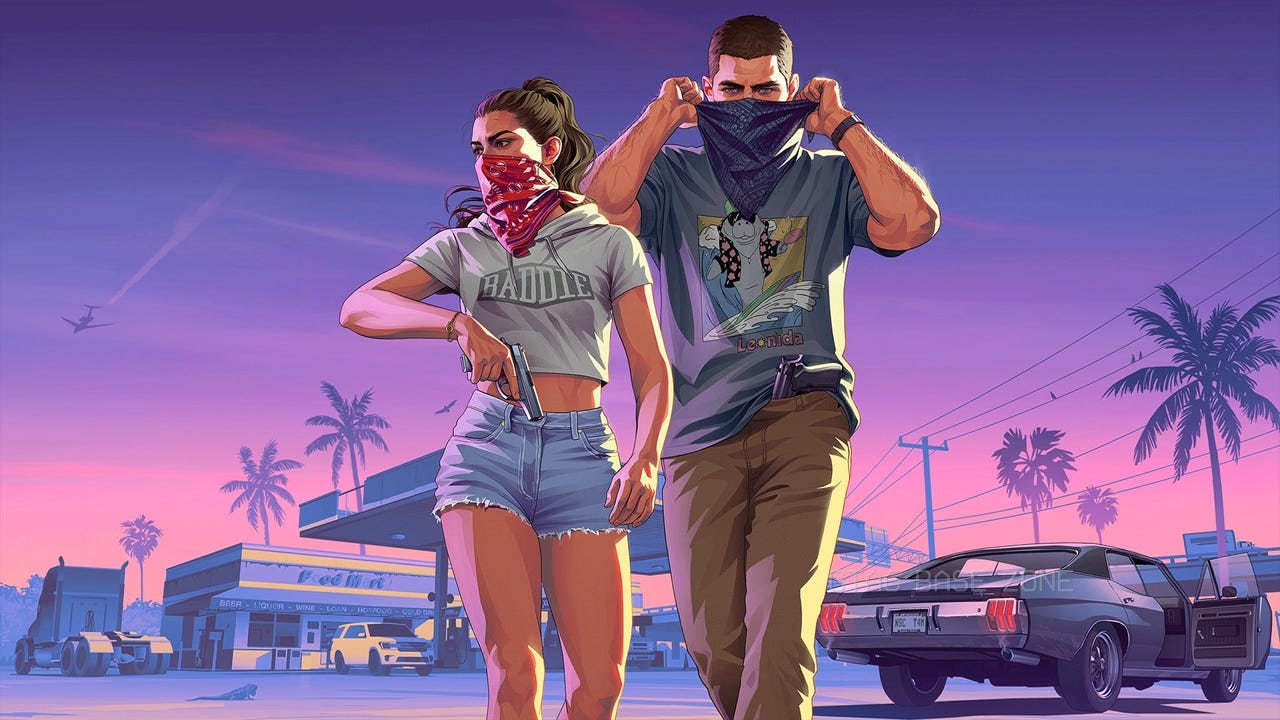
Rockstar finished planning and then devoted thirteen years to production of its next major title. The GTA 6 development effort allowed repeated refinements across systems and environments. Teams expanded in stages while quality guided decisions at every stage. Fan AI projects encountered performance drops and legal barriers during attempts to match the scale.
Rockstar allocated thirteen years to production after planning concluded which enabled repeated improvements across all game systems during the cycle. Staff numbers increased during this time while quality remained the guiding principle at each step. The prolonged timeline produced extensive material that occupied the full production window.
A dedicated Los Angeles studio handled art direction for every pedestrian which ensured consistent visual quality across all characters. This team worked alongside other departments after core systems were locked in place. The specialized approach supported the overall scale of the GTA 6 development effort with added detail.
Rockstar began planning GTA 6 after the release of GTA 5 which set a long internal schedule for the studio. The studio added staff in stages while core systems were still in development phases. This pace allowed every feature to receive repeated passes before final approval from leads.
The game includes over 600000 unique NPC animations which required years of manual creation. Rockstar coordinated multiple teams after early prototypes proved the scope. This volume of work demonstrates the limits of current AI methods in matching the result.
The list shows how Rockstar relied on human specialists for every layer of detail. This method produced results that AI cannot replicate without context or intent.
Rockstar brought in over 50 street artists to paint murals which added authentic city detail. The artists worked on site after the world layout was locked. Their contributions gave neighborhoods a lived in look that players notice at street level.
Rockstar coordinated teams after prototypes showed the full scope needed. Players see smoother interactions because each motion received direct human attention.
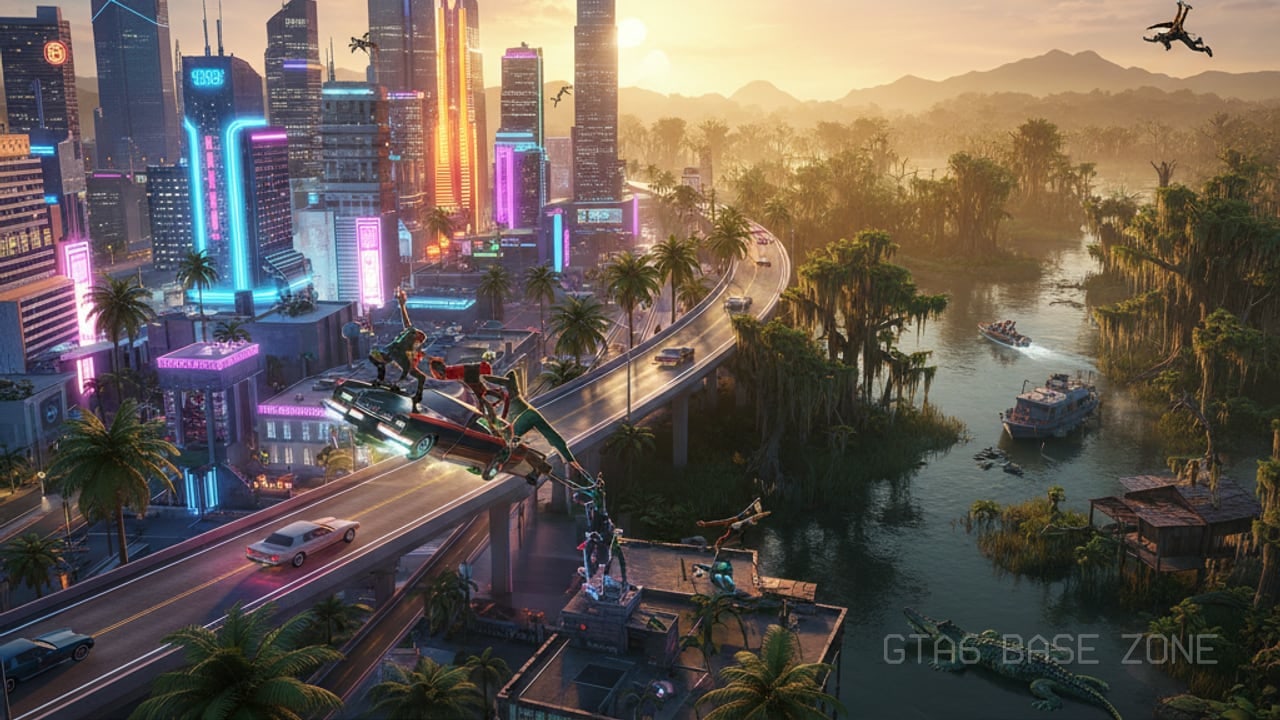
Race car drivers adjusted vehicle physics for accurate responses which delivered better control feedback in testing sessions. Rockstar ran several prototype versions after early physics models reached working states. The work formed part of the broader effort focused on realism and player input during extended production.
Digital Foundry highlighted the real time rendering as the strongest example observed which underscored technical gains across varied scenes. The studio reached this standard after multiple years of work on lighting and visual effects. Recognition shows the benefit of human directed adjustments over automated systems in detailed environments.
Initial AI versions generated Los Angeles buildings instead of Florida locations which missed the required regional elements. Human artists added the absent details after world layout decisions were finalized. The gap illustrates why prompt systems alone fail to replicate the deliberate selections made in GTA 6.
Rockstar built GTA 6 entirely by hand without generative tools which preserved creative control at every step. The team rejected AI assistance after internal tests showed inconsistent results. This decision shaped the final world in ways AI projects have not achieved.
| Aspect | Human Approach | AI Approach |
|---|---|---|
| World Design | Intentional placement for feel | Imitated buildings without context |
| Creativity Source | Human ingenuity over years | Prompt based imitation only |
The table compares the two methods and shows why human decisions produced a more coherent result. Intentional choices remain outside the reach of current AI systems.
AI projects cannot replicate the intentional design choices in GTA 6 which require human judgment on placement and tone. Automated tools produce surfaces without the emotional cues that players notice. This gap explains why fan attempts have struggled to scale.
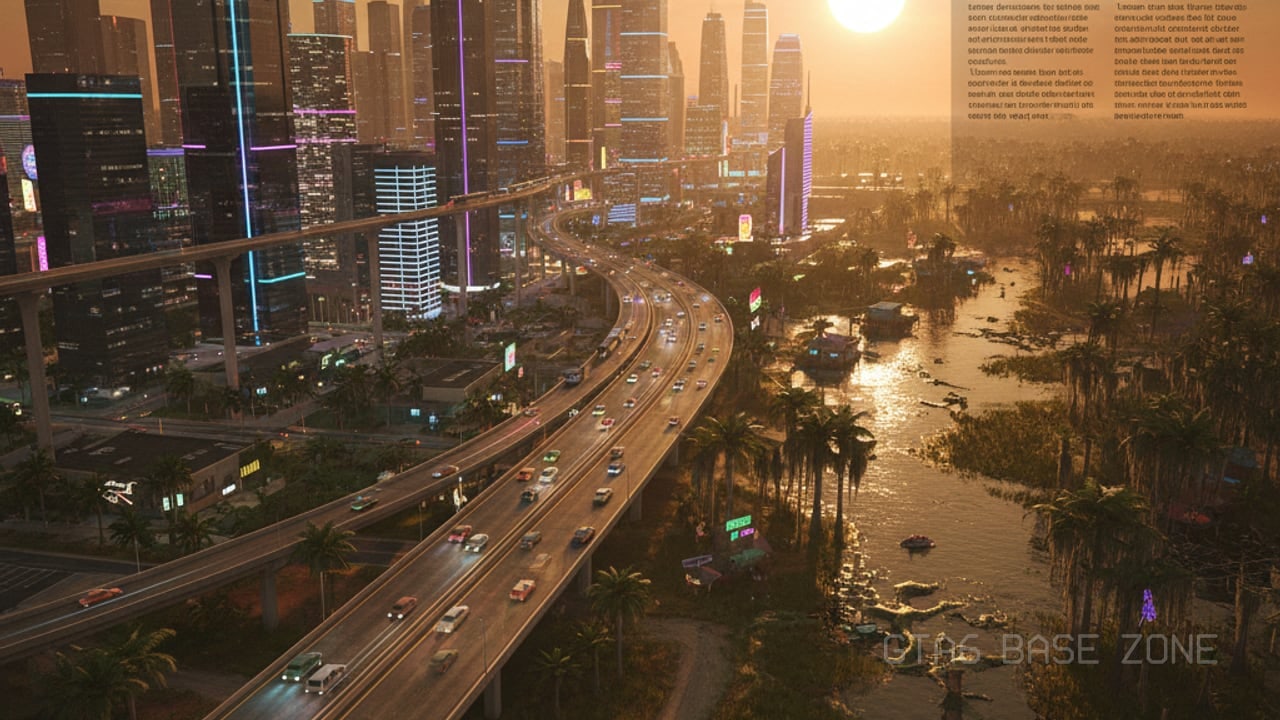
Rockstar placed every element with intent after years of iteration which AI tools could not match. The studio rejected generative methods after tests showed missing context. Players receive a coherent world that carries feeling through each neighborhood.
Ziwen Xu rebuilt his project as an original title called CALI in August which followed earlier legal concerns. The developer started work in June after seeing the first trailer. The sequence illustrates the technical barriers that remain for AI assisted clones.
Frame rates dropped to one frame per second when scaling the world which forced a complete engine change. The developer switched tools after initial tests failed to maintain performance. These issues highlight why the GTA 6 development effort stayed with traditional methods.
The sequence reveals repeated restarts triggered by technical limits. Performance failures forced engine changes while legal issues ended the clone. Players see why extended human timelines avoid such repeated halts.
Ziwen Xu launched the AI project in June after viewing the initial trailer which led to daily agent testing cycles. Performance failures at larger scales forced an engine change from Godot to Unreal after early builds. Legal concerns ended the clone attempt in August and prompted a shift to an original game named CALI.
Sources: Rockstar Games (official), Wikipedia: GTA VI.
Ziwen Xu started the AI clone project in June after the trailer release. The effort began once the first trailer appeared online which triggered daily agent tests. Early versions ran on Godot before performance issues emerged at larger scales.
The fan project changed engines from Godot to Unreal after initial tests. Performance fell sharply once the world scale grew which required the switch. The change occurred before the project became an original title.
The original AI clone project ended in August because of legal issues. Rockstar had not approved use of its assets which stopped the effort. The developer then moved to an original concept named CALI.
AI produced a Los Angeles skyline instead of a Florida Miami style setting. Prompt based generation lacked the needed regional cues which human artists later added. Rockstar positioned every element with intent after the layout was locked.
Only humans can choose why a building sits in one spot to create feeling. AI tools copy surfaces without grasping context or emotion which the thirteen year timeline permitted to build up.
 GTA6 BASE ZONE