

Rockstar showed adjustments to GTA 6 roads in Vice City during an extended look. Narrower lanes combine with denser traffic to change navigation. The design targets urban areas for a realistic feel. Players will notice impacts on speed and overtaking.
The footage confirmed that road widths match real city measurements more closely while denser vehicle placement occurs alongside the reduced lane sizes. Players must adjust speed and positioning during routine travel segments after they note the scale differences from prior games. Experience from earlier titles shows how these measurements create tighter navigation demands in urban sections.
Players assess the lane width first while they observe how vehicles space themselves closely in dense zones. Planning speed changes early helps avoid issues after gaps appear between moving cars on narrow paths. Routes become faster with repeated exposure to patterns which experienced drivers recognize quickly in Vice City.
Rockstar noted that Vice City roads feature reduced widths that align with real urban measurements while denser traffic fills the spaces between vehicles. Players face tighter navigation demands after they enter these zones which limits options for quick adjustments during standard drives through the city. The focus stays on city districts where adaptation becomes necessary from the initial segments of each journey through the area.
Vice City roads measure narrower than GTA 5 equivalents in the presented material while traffic density rises at the same time in the same zones. Overtaking space shrinks as a direct result of both adjustments after players attempt lane changes at speed. The material highlights how these factors combine to limit options during standard drives through the city.
| Aspect | GTA 5 | GTA 6 |
|---|---|---|
| Road Width | Wider lanes | Narrower lanes |
| Traffic Density | Lighter flow | Denser flow |
| Error Margin | Higher tolerance | Lower tolerance |
The comparison shows reduced room for mistakes during high speed sections while players face new timing requirements when changing lanes in busy segments. This structure leads into how earlier games handled similar situations differently after the adjustments take effect.
GTA 5 offered wide lanes that supported fast overtakes and bold maneuvers across multiple routes while GTA 6 shifts toward confined paths in Vice City. Rockstar paired the narrower design with increased vehicle numbers which reduces chances for sudden position changes in the clips. The result appears in sequences where drivers must time every move with greater care than before.
Busy streets force speed adjustments in real time during the shown sequences while routine trips gain new decision points at each intersection and merge. These steps replace simple acceleration in the new setup after drivers encounter multiple vehicles in sequence. The changes turn ordinary routes into sequences that require ongoing choices based on visible conditions.
Fast cars alone no longer guarantee quick travel through the city while the list shows how navigation skills now determine arrival times. GTA 5 treated traffic as an obstacle that players could often bypass quickly after reaching open sections.
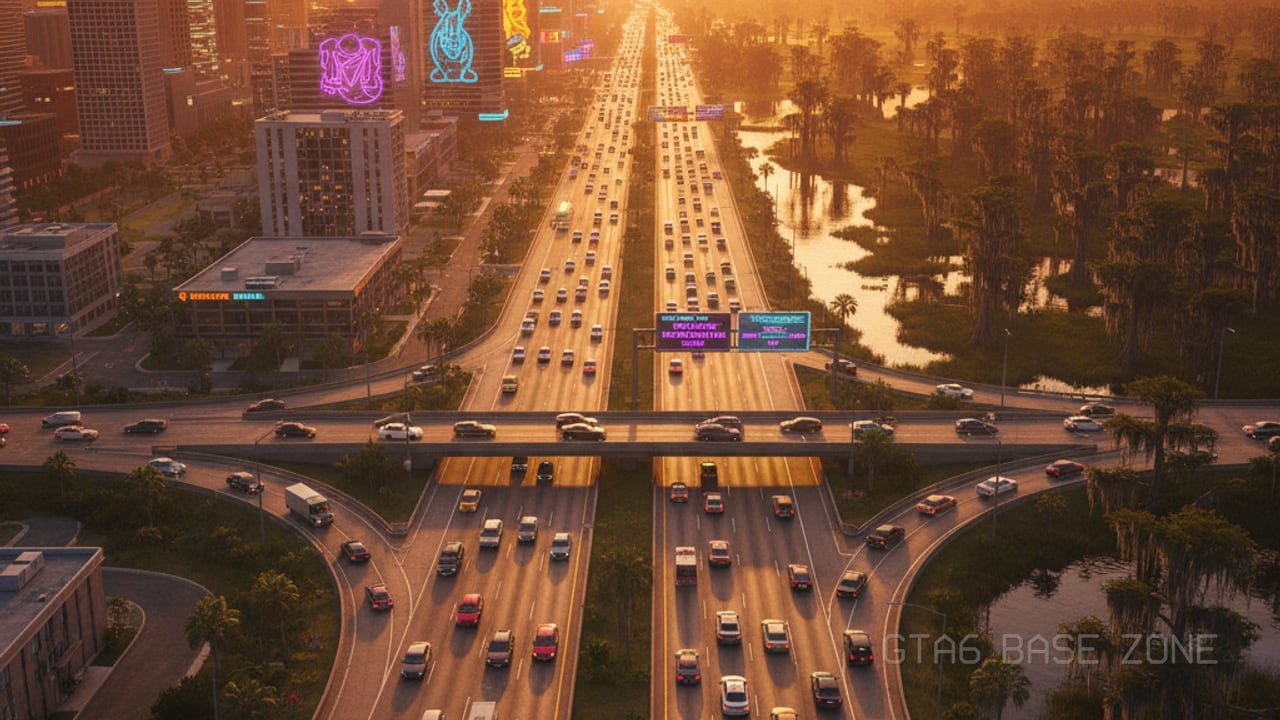
Denser traffic turns routine trips into sequences that require constant attention while narrow lanes leave little margin when vehicles cluster at junctions. Drivers reach intersections and then pause for gaps after the flow blocks forward progress in the footage. Precision at speed therefore depends on reading patterns rather than vehicle power alone in these conditions.
Earlier games allowed wide paths that supported several escape choices during pursuits while GTA 5 let drivers cut across open lanes with fewer cars nearby. GTA 6 reduces those choices and layers extra vehicles that demand fresh plans after chases start inside tight streets. The layout forces adjustments that replace old habits once the action moves into crowded blocks.
Vice City streets force chases into single lanes after the initial turns while prior titles allowed wide swerves onto side paths with lighter traffic. Players must now scan for breaks in the flow which appear less often in the dense segments shown. The setup replaces quick getaways with measured progress once the pursuit enters the main districts.
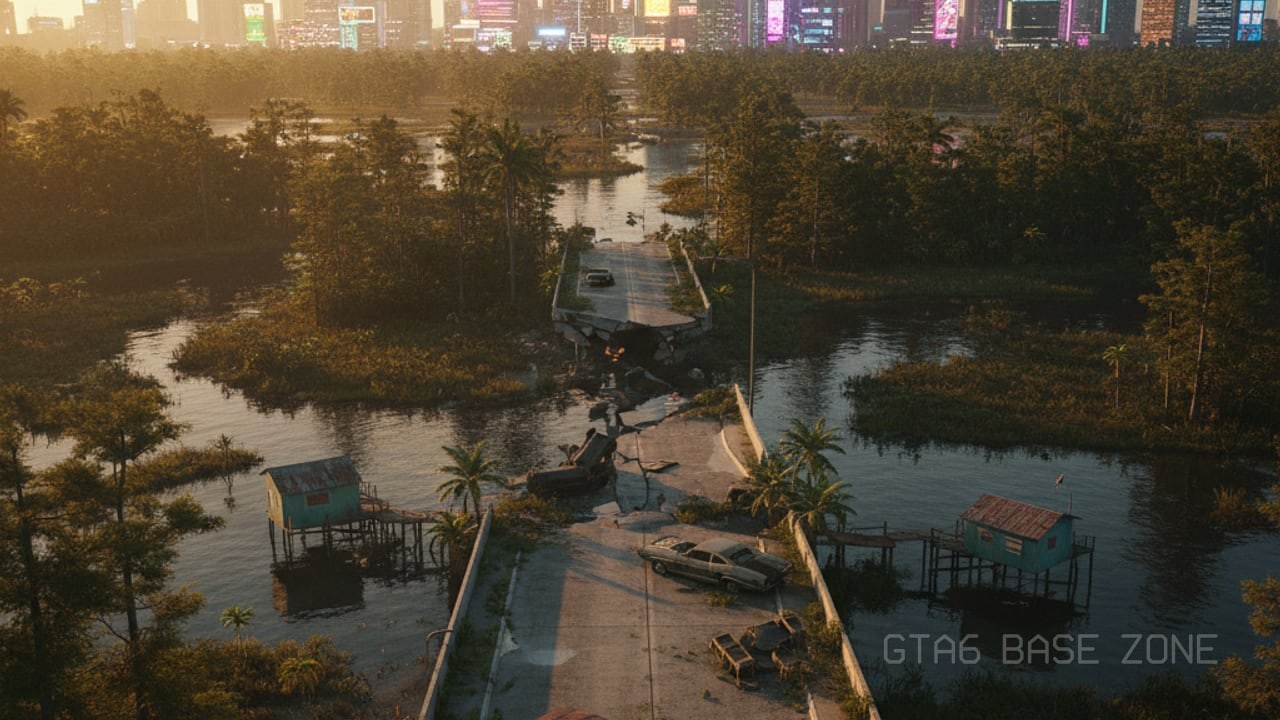
High speed runs now depend on scanning ahead in the shown districts while repeated trips build an edge through recognition of common flows in Vice City. The footage illustrates how small observations turn into better control after drivers cover the same stretches several times. These factors convert regular routes into practice that improves handling when traffic packs the available space.
The list confirms that road details and traffic levels now shape travel times while skill develops only after multiple passes on the same paths. This setup rewards players who study the routes before attempting fast runs through the busiest areas.
Drivers gain time on repeated runs after they learn where gaps form in the presented footage while new players collide more often until the patterns become clear. GTA 5 let fast cars dominate open sections but the current design rewards anticipation over raw acceleration. The change turns every commute into training that shortens later trips through the same zones.
Sources: Rockstar Games (official), Wikipedia: GTA VI. Related: GTA 6 Leonida Regions Form Full Map. Related: Miami Beach Council Approves GTA 6 Ad Deal.
Vice City receives the narrower roads in the extended look footage. The design pairs reduced widths with denser traffic only in urban sections while players meet these limits during travel through the shown districts. Rockstar confirmed the focus on realistic scale for that specific area.
Traffic density rises alongside the narrower lanes in Vice City. The increase creates ongoing speed adjustments during routine drives while GTA 5 featured lighter flow that allowed quicker lane changes. These shifts make navigation more demanding in the shown sequences.
Overtaking now requires precise timing because narrower lanes leave little room beside other vehicles. Drivers must spot openings ahead while traffic density blocks the sudden moves that worked in GTA 5. The footage shows these limits during segments where multiple cars occupy the available space.
Narrow roads limit escape routes during pursuits in Vice City. Denser traffic blocks sudden switches that worked in GTA 5 while players must plan ahead to avoid dead ends created by the layout. The combination makes chases more complex in urban areas.
The material confirms the focus remains on dense zones for now. Vice City receives the initial treatment in the shown footage while later updates may expand the approach to additional areas. The changes build skill through repeated exposure to patterns.
 GTA6 BASE ZONE